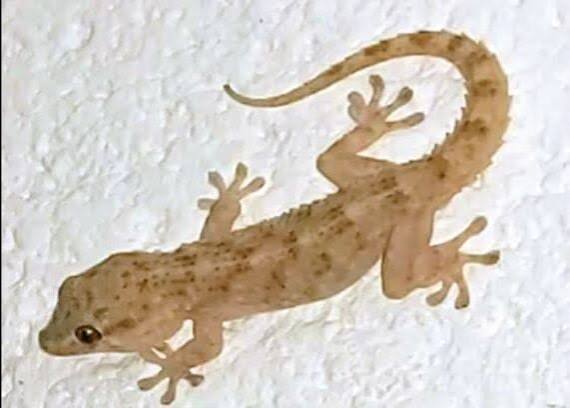
Imagine you’re about to enjoy a freshly cooked meal when you discover something shocking—a dead gecko inside the container of salt you’ve been using for days.
As unpleasant as this sounds, it can happen, especially if salt is stored uncovered or in areas where geckos can easily access kitchens. The first reaction is usually panic, but what should you actually do?
Can Salt Prevent Contamination?
Salt is known for preserving food because it creates an environment where many bacteria struggle to survive. However, this does not mean salt becomes safe to use after an animal has died and decomposed inside it.
If a gecko dies in a container of salt, the entire contents should be considered contaminated. As the animal decomposes, its body fluids and bacteria can contaminate the salt.
What Are the Health Risks?
Although the chances of becoming seriously ill are generally low, there are still potential risks, including:
- Food contamination.
- Exposure to bacteria that reptiles may carry, such as Salmonella.
- Nausea, vomiting, diarrhea, stomach cramps, or fever after consuming contaminated food.
Not everyone exposed will become sick, but it’s not worth taking the risk.
What Should You Do Immediately?
If you discover a dead gecko in your salt:
- Stop using the salt immediately.
- Throw away the entire container of salt.
- Discard any food prepared with the contaminated salt if it has not yet been eaten.
- Wash the salt container and any utensils that came into contact with the salt using hot water and dish soap.
- Wash your hands thoroughly after handling the contaminated container.
What If You’ve Already Been Using the Salt?
If you’ve unknowingly used the salt for a day or two and no one has developed symptoms, that’s reassuring.
However, everyone who consumed food made with the salt should monitor for symptoms over the next few days, including:
- Diarrhea
- Vomiting
- Fever
- Severe stomach pain
If symptoms develop—especially in children, older adults, pregnant women, or people with weakened immune systems—medical advice should be sought promptly.
How to Prevent This from Happening
A few simple habits can greatly reduce the risk:
- Store salt in a tightly sealed, airtight container.
- Keep kitchen shelves clean and dry.
- Avoid leaving food containers open overnight.
- Regularly inspect kitchen cupboards for signs of pests.
- Prevent geckos from entering food storage areas by sealing gaps around windows and doors where possible.
Final Thoughts
Finding a dead gecko in your salt is alarming, but there’s no need to panic. The safest response is simple: discard the contaminated salt, throw away any uneaten food prepared with it, clean the affected utensils, and monitor anyone who may have consumed food made with the salt.
Food safety is always better than taking unnecessary risks. Replacing a container of salt or cooking a fresh meal is far less costly than dealing with a preventable foodborne illness.
Disclaimer: This article is for educational purposes only and should not replace professional medical advice. If anyone develops severe or persistent symptoms after consuming contaminated food, consult a qualified healthcare professional immediately.